Thelma, A bored housewife married to an unappreciative and controlling husband who is very unhappy at home. Louise, a career restaurant waitress who is sees the same people everyday and lives an unrewarding life. Both of them plan a short road trip to get away from their dull lives and seek out some excitement while letting their hair down. Immediately we see them having fun starting to live it up at the bar drinking and dancing.
The Spine of “The Verdict- 1982”
Inciting incident: “MONEY!” Frank Galvan has been thrown out of numerous funeral homes and after a subsequent alcoholic breakdown destroying his law office, he is presented with an opportunity to see great financial gains from and old friend who presents him with an easy offer. Continue reading
The Spine of “Witness – 1985”
On the Amish farm, we bear witness to a funeral a symbol of death! The scenes that follow show farm lands and tractors, it’s a peaceful existence, one of solace. The departure from the native lands takes us on a journey into a whole new world. As the train speeds along the tracks, we see a horse and carriage as it races to keep up with the train but soon the train leaves the horse drawn carriage behind. This scene is significant because it symbolizes that the train is much faster than the horse drawn carriage. The train is a symbol of modern technology that was created by the new more advanced world that awaits their arrival ahead. The train, the Iron Horse, is taking the boy into the new modern world and he will bear witness to new and deadly discoveries. Continue reading
Masterful Planting and Payoff: Unveiling The Others (2001)
When it comes to masterful planting and payoff in cinema, “The Others” (2001) starring Nicole Kidman is a prime example. Kidman delivers a riveting performance as Grace, a mother living in a sprawling countryside mansion with her two children, Anne and Nicolas. The family is isolated, with the father away at war, creating a perfect setup for this suspenseful ghost story.
The plot thickens on an autumn day when three peculiar caretakers arrive at the mansion seeking employment: Mr. Tuttle, the antisocial gardener; Mrs. Mills, an old, good-natured lady; and Lydia, a mute young girl. Grace, overwhelmed by the enormous task of managing the mansion alone, decides to hire them. But the situation is odd—Grace had not advertised for help, adding an immediate layer of mystery.
Continue readingThe Impact of Gangster Films on American Culture
37 Minutes
Introduction
This paper will explore and define the gangster genre in American film history. Gangster films are centered on the criminal actions of bank robbers, hoodlums, petty theft, and bootlegging alcohol during prohibition and operate outside the law without regard to the safety of human life.
Continue readingFrench New Wave: Innovating Independent Filmmaking
The French New Wave, a revolutionary cinematic movement, was driven by the filmmakers’ independence from major studios, primarily due to their limited budgets. This financial constraint paradoxically unleashed a wave of creativity, as directors and writers were free from the commercial pressures and formulaic demands of traditional studio systems. They embraced innovation out of necessity, using whatever materials were at hand to craft their stories.
Continue readingThe Bicycle Thief: Allegorical Quest for Dignity and Survival
The Thematic and Ironic Connections in “The Bicycle Thief”
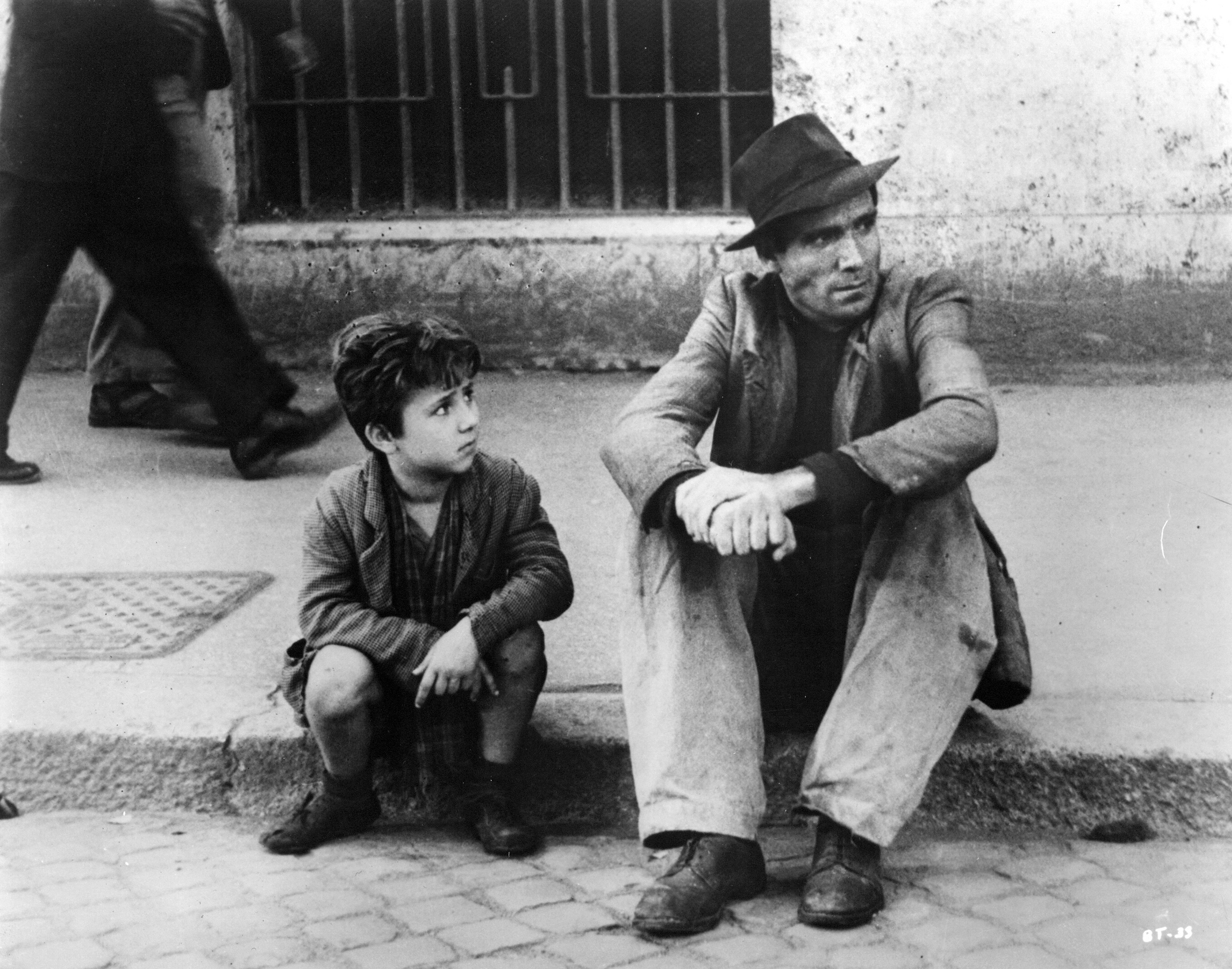
In Vittorio De Sica’s “The Bicycle Thief,” the film intricately weaves the destinies of two bicycle thieves, illustrating the cyclical nature of poverty and desperation. The first thief steals a bicycle because he cannot afford one, aiming to sell it for survival. Antonio, the protagonist, mirrors this act of theft when he steals a bicycle out of sheer necessity to maintain his livelihood after losing his own. This mirroring establishes a poignant irony: both men are driven to the same desperate act by economic hardship, blurring the lines between victim and perpetrator.
Continue reading