French New Wave: Innovating Independent Filmmaking

hero719_cauchetier1

The French New Wave, a revolutionary cinematic movement, was driven by the filmmakers’ independence from major studios, primarily due to their limited budgets. This financial constraint paradoxically unleashed a wave of creativity, as directors and writers were free from the commercial pressures and formulaic demands of traditional studio systems. They embraced innovation out of necessity, using whatever materials were at hand to craft their stories.

Continue reading
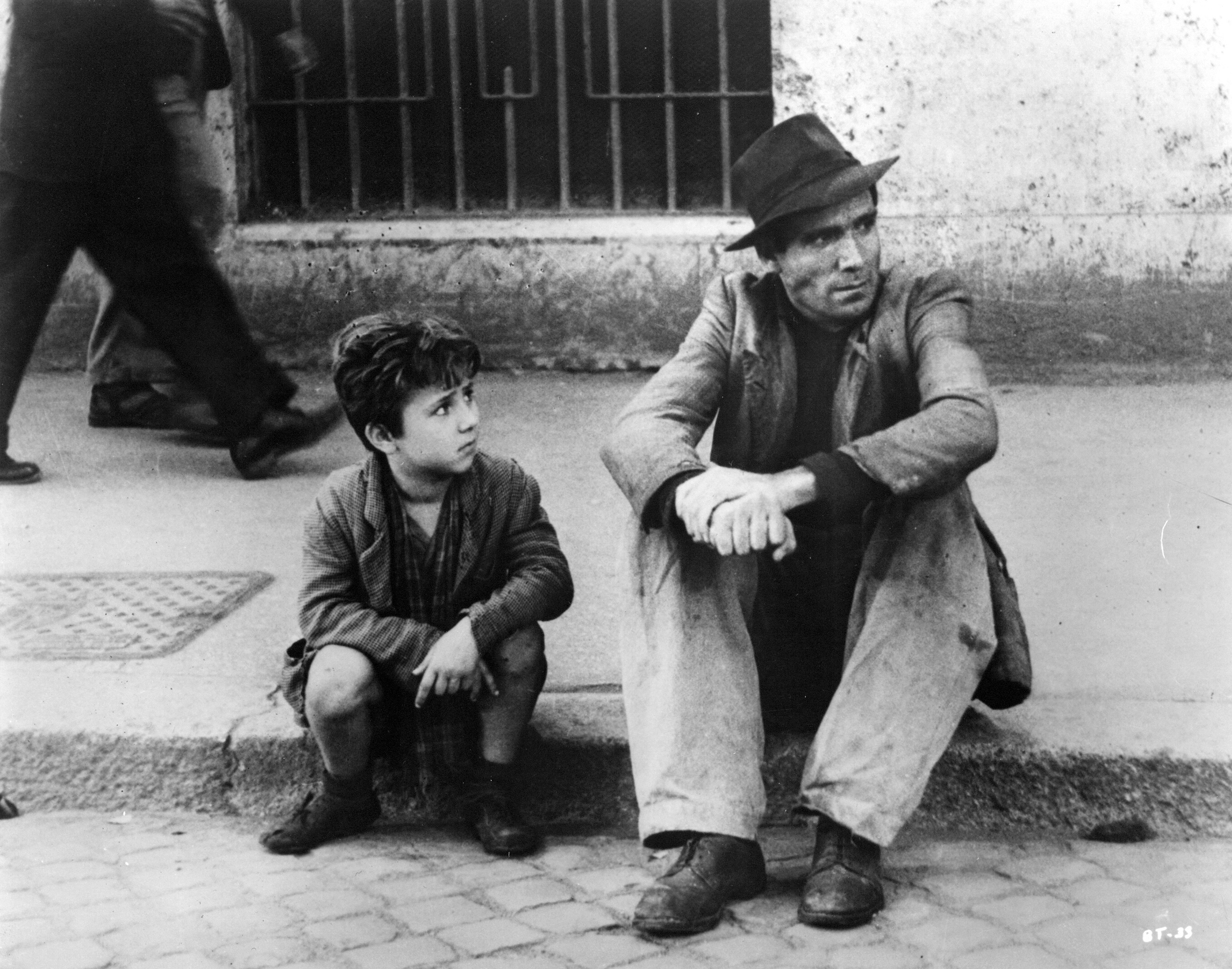
The Bicycle Thief: Allegorical Quest for Dignity and Survival

bicycle_thief_01

The Thematic and Ironic Connections in “The Bicycle Thief”

In Vittorio De Sica’s “The Bicycle Thief,” the film intricately weaves the destinies of two bicycle thieves, illustrating the cyclical nature of poverty and desperation. The first thief steals a bicycle because he cannot afford one, aiming to sell it for survival. Antonio, the protagonist, mirrors this act of theft when he steals a bicycle out of sheer necessity to maintain his livelihood after losing his own. This mirroring establishes a poignant irony: both men are driven to the same desperate act by economic hardship, blurring the lines between victim and perpetrator.

Continue reading

Robert Bresson’s non-Actors in contrast to German Expressionism

robert-bresson

As a film critic, I can deeply appreciate the innovative use of non-actors in cinema, and I wholeheartedly endorse the idea of casting them in films. The magic lies in the director’s ability to harness the raw, unfiltered authenticity that non-actors bring to their roles. With thorough rehearsals and meticulous script readings, a director can discover non-actors who not only fit the character’s profile but can also deliver a performance that resonates with audiences on a profound level.

Continue reading

Bleak Moments: British Cultural Reflection Film

Un-chien-andalou


Un Chien Andalou: A Surrealist Journey

“Un Chien Andalou” is a quintessential formalist film, drenched in the director’s unrestrained vision. What a whirlwind! This film, teetering on the edge of disturbing, defies traditional narrative structure, resulting in a flow that feels disjointed. Though this chaos is deliberate, it didn’t quite resonate with me. The editing is erratic, and combined with its silent nature, it can leave the audience feeling adrift. This film demands viewers with boundless imaginations to piece together its fragmented vision. Bold and avant-garde for its late 1920s release, it was a daring attempt to push cinematic boundaries.

Continue reading

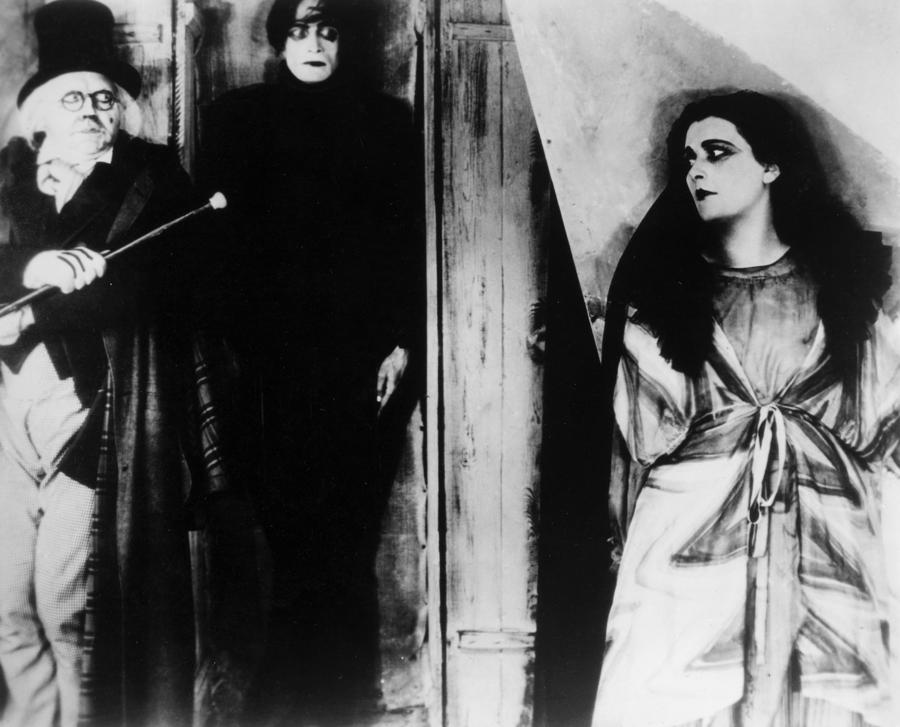
The Cabinet of Dr. Caligari and His Somnambulist Cesare: A Visual Journey into Madness

drcaligari

The Cabinet of Dr. Caligari and His Somnambulist Cesare


Watching “The Cabinet of Dr. Caligari,” a silent film masterpiece, I found myself deeply engrossed in its visual storytelling. Without spoken dialogue, the film relied heavily on facial expressions and set design to convey its eerie narrative. The haunting soundtrack further amplified the emotions and tension, making each scene more impactful.

One of the most striking aspects was the editing, which masterfully drew the audience into Dr. Caligari’s twisted psyche. In a particularly memorable sequence, the camera repeatedly cut to Dr. Caligari’s face after Cesare foretold someone’s impending doom to a horrified crowd. This technique not only heightened the suspense but also provided a chilling insight into Caligari’s disturbed mind.

Continue reading