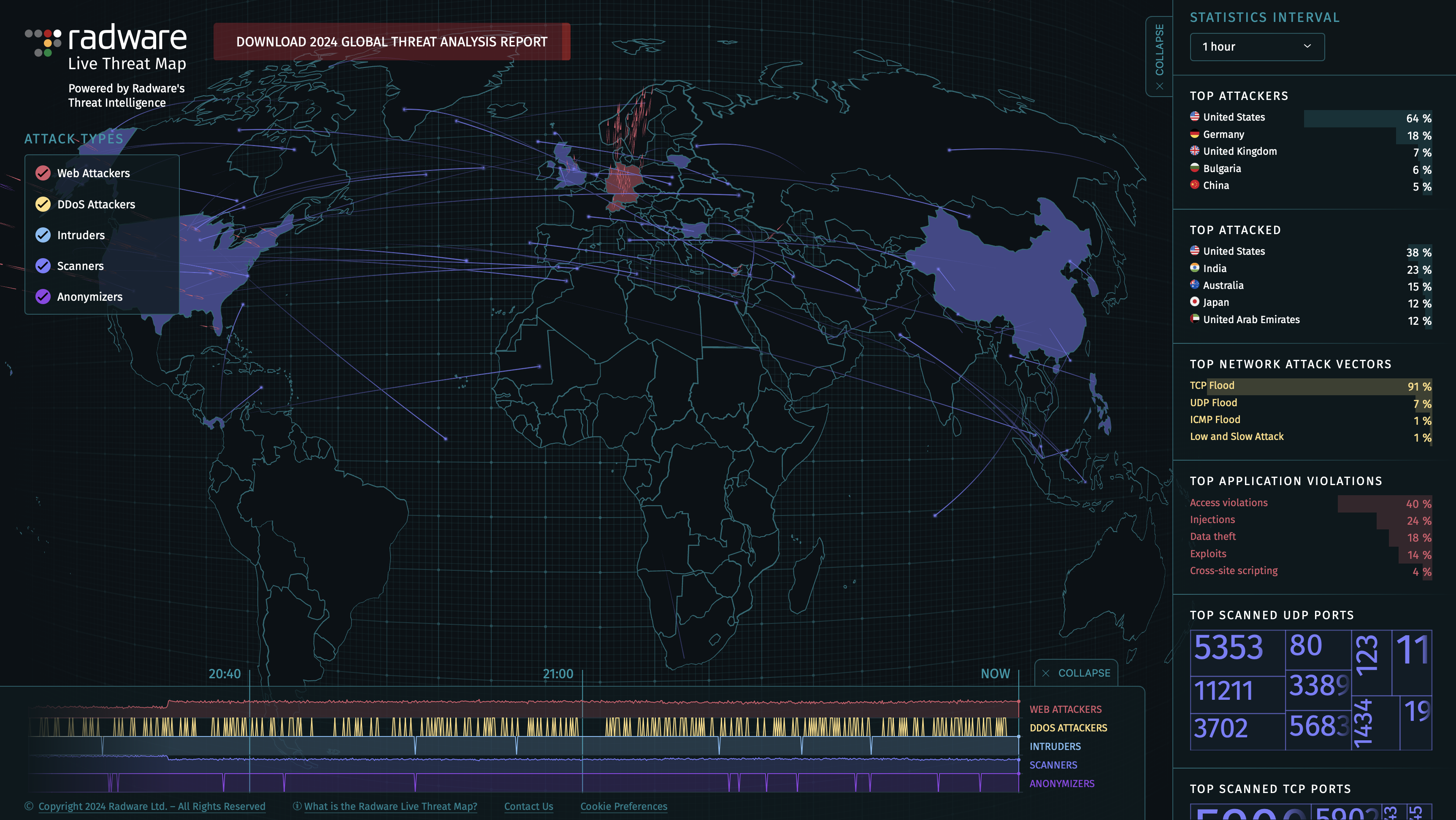
7 Minutes
Denial of Service (DoS) is a common attack method used to flood network connections with the intention to render the network server unusable. DoS attacks are typically motivated by retaliation, perhaps from a fired employee or various other reasons, including social hacktivism or cyber terrorism. Most DoS attacks target web servers by overwhelming them with SYN requests faster than the server can respond to them. DoS attacks can barrage a server by depriving it of other critical resources such as CPU, memory, and bandwidth possibly leading to a system crash.
Distributed Denial of Service (DDoS) is an advanced form of Denial of Service that employs the use of many computers located anywhere around the world where there is an Internet connection. “Malware” running on a computer is what gives the attacker remote control of the computer. When a computer is controlled in this way it is referred to as a “Zombie”. Armies of Zombie computers form what is called a “Botnet”, a large network of centrally controlled computers to perform an action, which can be malicious in nature or for valid reasons, as is the case with The Search for Extraterrestrial Intelligence (SETI), a government scientific organization.
Users of malicious Zombie computers are unaware of the control-taking place behind the scenes because the botnet malware usually masquerades itself as valid processes or it can stay hidden deep within the system undetected.
Continue reading Decentralized Intelligence