
8 Minutes
The AI Revolution in the Workplace
As AI systems become increasingly sophisticated and ubiquitous, they are poised to fundamentally transform how we work, collaborate, and approach complex challenges. From automating routine tasks to augmenting human intelligence with powerful analytical capabilities, AI is ushering in a new era of efficiency and innovation across industries. However, this technological revolution also raises profound questions about the future of employment, the need for reskilling, and the ethical implications of ceding certain decision-making processes to machines.
This seismic shift is bringing both opportunities and challenges that will shape the future of work.
Advantages of AI in the Workforce
| Benefit | Description |
|---|---|
| Increased Efficiency and Productivity | AI can automate repetitive, tedious tasks, freeing up human workers to focus on more complex, creative, and strategic endeavors. This can lead to significant productivity gains and cost savings for businesses. |
| Enhanced Decision Making | AI algorithms can rapidly analyze vast amounts of data and identify patterns that humans might miss, leading to better-informed decisions across various domains such as finance, healthcare, and logistics. |
| Improved Customer Experience | AI-powered chatbots, virtual assistants, and recommendation systems can provide personalized, round-the-clock support and tailored experiences to customers, enhancing satisfaction and loyalty. |
| New Job Opportunities | While AI may displace certain jobs, it also creates new roles and industries. For example, there is a growing demand for AI engineers, data scientists, and professionals who can develop, maintain, and ethically govern AI systems. |
| Safer Working Environments | AI can take over dangerous or hazardous tasks, such as operating in extreme environments or handling hazardous materials, reducing the risk of injury or harm to human workers. |
AI Job Growth
AI is driving job growth in various fields, including AI engineers, data scientists, and AI ethics specialists.
Disadvantages of AI in the Workforce
| Challenge | Description |
|---|---|
| Job Displacement | As AI automates more tasks and processes, there is a risk of job losses, particularly in industries and roles that involve routine, repetitive work. This can lead to economic disruption and social unrest if not managed properly. |
| Bias and Discrimination | AI systems can perpetuate and amplify existing biases present in the data they are trained on, leading to discriminatory outcomes in areas such as hiring, lending, and criminal justice. |
| Privacy and Security Concerns | The widespread use of AI raises privacy concerns, as these systems collect and process vast amounts of personal data. There are also risks of AI systems being exploited for malicious purposes, such as cyberattacks or spreading misinformation. |
| Ethical Challenges | The development and deployment of AI systems raise complex ethical questions around accountability, transparency, and the potential for AI to make decisions that impact human lives and well-being. |
| Skill Gap and Retraining Needs | As AI transforms the workforce, there is a growing need for workers to acquire new skills and adapt to the changing job landscape. This can create challenges in terms of retraining and upskilling the existing workforce. |
Job Displacement by AI
Some industries and roles are more susceptible to job displacement due to AI automation.
The Impact of AI in the Workforce
As AI continues to advance, its impact on the workforce will become more profound. While AI promises to enhance productivity, decision-making, and customer experiences, it also poses risks of job displacement, bias, and ethical challenges.
To navigate this transformation successfully, a multi-stakeholder approach involving governments, businesses, educational institutions, and workers themselves will be crucial. Policymakers must develop strategies to manage job transitions, promote reskilling and upskilling programs, and ensure a fair distribution of the benefits and risks of AI.
Businesses must prioritize ethical AI development, invest in workforce training, and explore new business models that leverage AI’s capabilities while creating meaningful employment opportunities. Educational institutions need to adapt curricula to equip students with the skills required in an AI-driven economy, such as data literacy, critical thinking, and ethical reasoning.
Workers, too, must embrace lifelong learning and be proactive in acquiring new skills and adapting to the changing job landscape. Collaboration between humans and AI systems will become increasingly important, with humans focusing on tasks that require creativity, empathy, and strategic thinking, while AI handles more routine and data-intensive tasks.

Looking ahead, the future of work will likely be a hybrid model, where AI and humans work in tandem, complementing each other’s strengths. As AI becomes more advanced, new job categories and industries may emerge, requiring a flexible and adaptable workforce.
Ultimately, the successful integration of AI into the workforce will depend on our ability to anticipate and proactively address the challenges it presents, while harnessing its potential to enhance productivity, innovation, and human well-being.
Examples of AI in the Workforce
| Industry | Applications of AI | References |
|---|---|---|
| Healthcare | AI assists in diagnosing diseases, managing patient records, and even conducting surgeries with precision. | [1][5] |
| Finance | AI-driven algorithms analyze financial data for investment decisions, detect fraudulent activities, and optimize trading strategies. | [1][4][5] |
| Customer Service | Chatbots handle routine customer queries, offering quick and efficient support. | [1][2][5] |
| Manufacturing | AI-powered robots and automation systems enhance efficiency and safety in manufacturing processes. | [1][4][5] |
| Recruitment | AI scans resumes, assesses candidate suitability, and even conducts initial interviews, saving time and identifying top talent. | [1][3][5] |
Challenges in Implementing AI in the Workforce
| Challenge | Description | References |
|---|---|---|
| Insufficient or low-quality data | AI systems require large amounts of high-quality, representative data to function effectively. Lack of access to relevant data or poor data quality can lead to biased and unreliable results. | [1] |
| Integration with existing systems | Incorporating AI into a company’s operations involves more than just installing new software. It requires ensuring compatibility with existing systems, training employees, and troubleshooting issues, which can be complex and time-consuming. | [1][2] |
| Shortage of AI talent | There is a limited pool of professionals with the necessary skills and expertise to develop, deploy, and maintain AI systems. This talent gap makes it challenging for organizations to build in-house AI capabilities. | [1][3] |
| Employee resistance to change | The introduction of AI can cause concerns among employees about job security and the changing nature of their roles. Effective communication, training, and support are needed to manage this resistance. | [2] |
| Ethical and legal implications | The use of AI raises complex ethical questions around transparency, accountability, and potential bias. Organizations must address these issues and ensure compliance with data privacy regulations. | [2][3] |
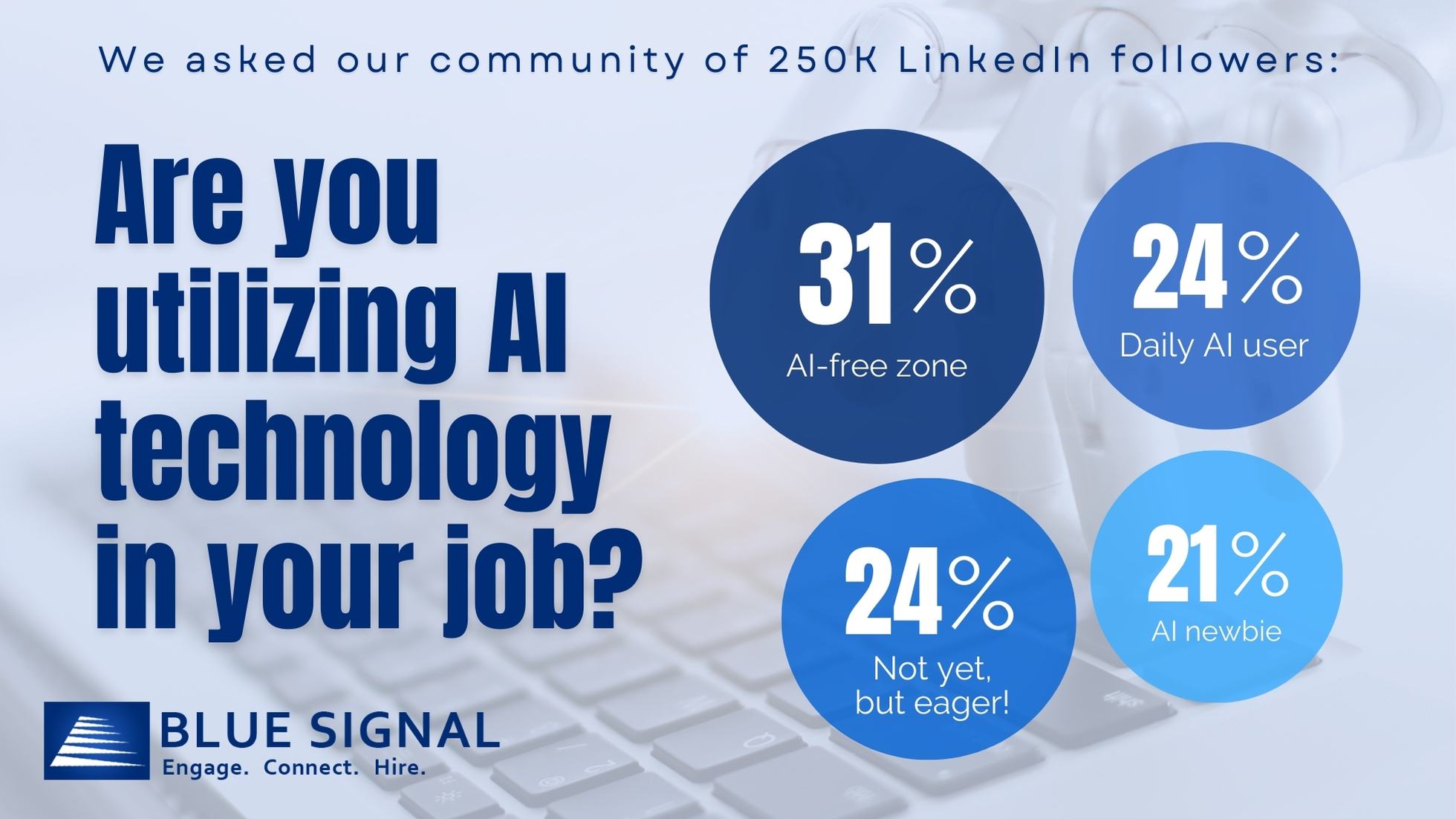
Strategies for Training Employees to Work with AI
| Strategy | Description | References |
|---|---|---|
| Foster a culture of continuous learning | Encourage bite-sized learning sessions and provide opportunities for employees to upskill and reskill | [1][3] |
| Leverage real-life scenarios | Utilize simulations and real-world examples to enhance hands-on learning, preparing employees for practical AI applications | [3] |
| Blend in-person and virtual training | Mix traditional and digital learning environments to ensure widespread education and engagement | [3] |
| Promote experimentation and learning from failure | Create a supportive atmosphere where employees can explore AI tools, learn from mistakes, and innovate | [1][3] |
| Prioritize ethical AI training | Educate employees on the potential biases, privacy concerns, and ethical implications of AI to ensure responsible usage | [3] |
Conclusion
The integration of Artificial Intelligence (AI) into the workforce is a multifaceted phenomenon that presents both significant opportunities and challenges. AI’s ability to automate repetitive tasks, enhance decision-making, and provide data-driven insights has the potential to boost productivity, efficiency, and innovation across various industries. For instance, AI is already transforming sectors such as healthcare, finance, customer service, and manufacturing by improving accuracy, reducing errors, and enabling more strategic use of human resources.
However, The rise of AI also brings concerns about job displacement and the need for workforce adaptation. While AI can create new job opportunities, particularly in fields related to AI development and data science, it may also render certain roles obsolete, especially those involving routine and manual tasks. This dual impact necessitates a proactive approach to workforce development, emphasizing upskilling and reskilling programs to prepare employees for new roles and responsibilities in an AI-driven environment.
Moreover, The ethical implications of AI in the workplace cannot be overlooked. Issues such as bias in AI algorithms, data privacy, and the transparency of AI decision-making processes must be addressed to ensure that AI is used responsibly and equitably. Policymakers, businesses, and workers must collaborate to establish guidelines and frameworks that promote the ethical use of AI while maximizing its benefits and mitigating its risks.
In closing, The future of work with AI is one of transformation and adaptation. By embracing AI’s potential and addressing its challenges through continuous learning, ethical practices, and strategic workforce planning, we can create a more dynamic, efficient, and inclusive work environment. The successful integration of AI into the workforce will depend on our ability to balance technological advancements with human-centric approaches, ensuring that the benefits of AI are realized for all stakeholders.
Thank you for reading my blog post! If you found this topic engaging, I invite you to explore more of my content on Decentralized Intelligence and dive deeper into similar topics.
Continue your journey…

Sources
[1] AI Training in the Workplace: Challenges and Opportunities https://www.itprotoday.com/career-development/ai-training-workplace-navigating-challenges-embracing-opportunities
[2] The Workforce In The World Of AI: HR Strategies For 2024 And … https://www.forbes.com/sites/committeeof200/2024/02/13/the-workforce-in-the-world-of-ai-hr-strategies-for-2024-and-beyond/
[3] AI and Employee Training: Ensuring Safe Use of Artificial … https://bluesignal.com/2024/02/23/ai-and-employee-training-ensuring-safe-use-of-artificial-intelligence-at-work/
[4] AI’s Impact on Employee Training – Infopro Learning https://www.infoprolearning.com/blog/the-role-of-ai-in-employee-training/
[5] AI in the Workforce: The Rise & Its Impact for Workers – QuestionPro https://www.questionpro.com/blog/ai-in-the-workforce/

Discover more from Decentralized Intelligence
Subscribe to get the latest posts sent to your email.
 Decentralized Intelligence